Remove
Uploading... 0%
0


View
3D
filename
Remove
Replace file
RFQ
STL files are not suitable for CNC machining. Please re-upload your part in one of the following formats: STEP, IGES, IGS, SLDPRT or X_T.
Material and Finish:
Part Marking:
Description and Attachments:
Tool Requirements:
Edit
Close
Quantity:
Qty
Unit Price
Total Price
Enter your personalized quantity here.
$0.00 /pc
$0.00
Note:Bulk orders are customized quotes with the most favorable price.
Unit price would decreases as quantity increases. VAT and freight are excluded.
Unit price would decreases as quantity increases. VAT and freight are excluded.
Qty
Unit Price
Total Price
Enter your personalized quantity here.
$0.00 /pc
$0.00
Note:Bulk orders are customized quotes with the most favorable price.
Unit price would decreases as quantity increases. VAT and freight are excluded.
Unit price would decreases as quantity increases. VAT and freight are excluded.
First batch quantity:
Qty
Unit Price
Total Price
Enter your personalized quantity here.
$0.00 /pc
$0.00
Note:Bulk orders are customized quotes with the most favorable price.
Unit price would decreases as quantity increases. VAT and freight are excluded.
Unit price would decreases as quantity increases. VAT and freight are excluded.
Qty
Unit Price
Total Price
Enter your personalized quantity here.
$0.00 /pc
$0.00
Note:Bulk orders are customized quotes with the most favorable price.
Unit price would decreases as quantity increases. VAT and freight are excluded.
Unit price would decreases as quantity increases. VAT and freight are excluded.
Expected annual volumes:
- ≤10,000pcs
- 10,000-50,000pcs
- 50,000-100,000pcs
- ≥100,000pcs
Design Units:
- mm
- inch
- cm
Material:
- Aluminum
- Stainless steel
- Brass
- Copper
- Titanium
- Mild steel
- Alloy steel
- Tool steel
- Spring steel
- ABS
- Polycarbonate (PC)
- Nylon
- Polypropylene (PP)
- POM
- PTFE (Teflon)
- PMMA (Acrylic)
- Polyethylene (PE)
- PEEK
- Bakelite
- FR4
- Rubber
- Resin
- Nylon
- PLA
- ABS
- PETG
- TPU
- PC
- ASA
- PEEK
- PPS
- Aluminum
- Stainless steel
- Titanium
- Tool steel
- Aluminum
- Stainless steel
- Mild steel
- Copper
- PMMA (Acrylic)
- ABS
- POM
- Nylon
- Polycarbonate (PC)
- PC/ABS
- PVC
- Polyethylene (PE)
- Polypropylene (PP)
- Polystyrene (PS)
- TPU
- ABS
- POM
- Nylon
- Polycarbonate (PC)
- PVC
- Polyethylene (PE)
- Polypropylene (PP)
- Polystyrene (PS)
- TPU
- Rubber
Type of ABS
 Heat alert
Deformation warning (For non-metal parts with easily deformable structure)
Heat alert
Deformation warning (For non-metal parts with easily deformable structure)
Heat alert
To prevent parts with easily deformable structures from deforming during transportation, as the gradual increase in weather temperature.
1. It's recommended to use the following Resin models with good heat resistant and strength: Somos® Ledo, Somos® Taurus, Somos® Perform, UTR 8220, UTR Flex, UTR Therm.
2. Wall thickness is thicken into ≥2mm.
Deformation warning (For non-metal parts with easily deformable structure)
Non-metal parts with easily deformable structure would occasionally deform when squeezed by external force during transportation.
1. For those who choose Resin materials, it's recommended to use the following Resin models with good heat resistant and strength: Somos®Ledo, Somos®Taurus, Somos®Perform, UTR 8220, UTR Flex, UTR Therm.
2.Wall thickness is thicken into ≥2mm.
3.Nylon is preferred over resin for parts with easily deformable structure.
4.Deformed parts can be corrected by heating process, like using hot air gun or hot water.
-
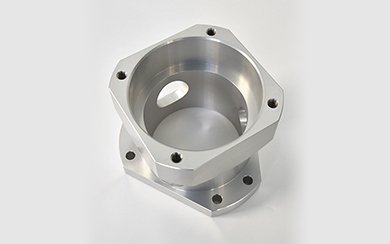
Aluminum 6061
Aluminum 6061
A precipitation-hardened, heat-treatable aluminum-magnesium-silicon alloy. The T6 temper indicates it has been solution heat treated and artificially aged to achieve its peak strength.
-
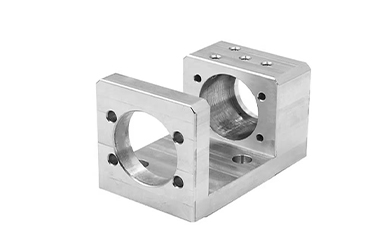
Aluminum 7075
Aluminum 7075
A high-strength, precipitation-hardened aluminum-zinc alloy. The T6 temper indicates it has been solution heat treated and artificially aged to achieve its peak strength.
-
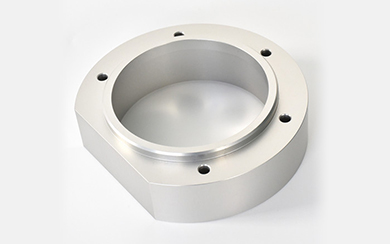
Aluminum 5052
Aluminum 5052
A work-hardened, non-heat-treatable aluminum alloy with excellent corrosion resistance, especially in marine environments, good weldability, and moderate strength. The H32 temper indicates it has been strain hardened and then stabilized to a condition approximately midway between fully soft (O) and fully hard (H38).
-
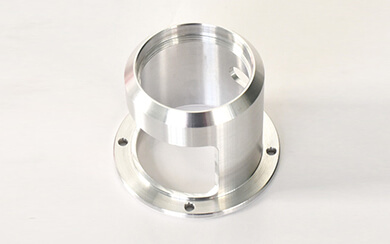
Aluminum 2A12
Aluminum 2A12
A high-strength, heat-treatable aluminum-copper-magnesium alloy (Al-Cu-Mg system). The T4 temper indicates it has been solution heat treated, quenched, and then naturally aged to a substantially stable condition.
-
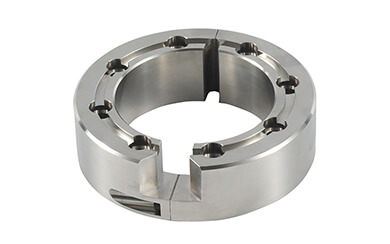
Stainless steel 304
Stainless steel 304
Stainless Steel 304, the most widely used and versatile grade. It offers an excellent combination of good corrosion resistance, formability, weldability, and toughness.
-
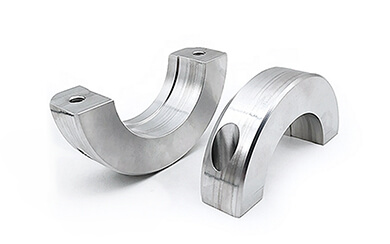
Stainless steel 316/316L
Stainless steel 316/316L
Stainless Steel 316/316L, a premium alloy derived from 304 with the key addition of 2-3% molybdenum. This addition provides significantly improved corrosion resistance, particularly against pitting and crevice corrosion in chloride environments (e.g., seawater, chemical process streams).
-
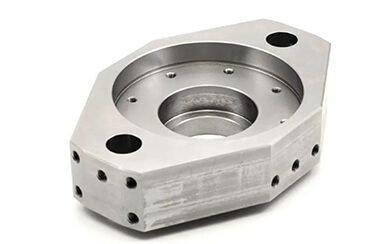
Stainless steel 303
Stainless steel 303
Stainless Steel 303, free-machining stainless steel, derived from SS304 with additions of sulfur (and sometimes selenium) to dramatically improve machinability.
-
Stainless steel 430
Stainless steel 430
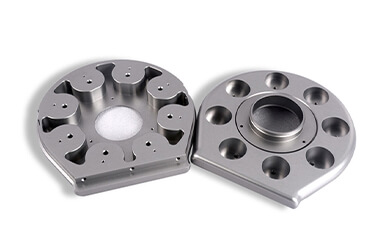
Stainless Steel 430, straight-chromium (17%) stainless steel. It is magnetic, offers good corrosion resistance in mild atmospheres, and has excellent resistance to stress corrosion cracking. Its key advantages are lower cost than 300-series austenitics and better thermal conductivity.
-
Stainless steel 201
Stainless steel 201
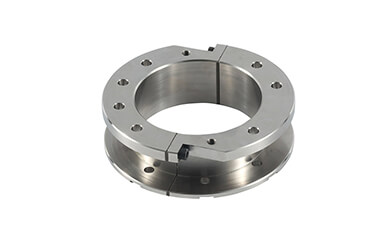
Stainless Steel 201 is part of the chromium-nickel-manganese family. It is a lower-cost alternative to SS304, achieved by replacing some nickel with manganese and nitrogen. It is non-magnetic in the annealed condition (may become slightly magnetic after cold working/machining).
-
Brass C360
Brass C360
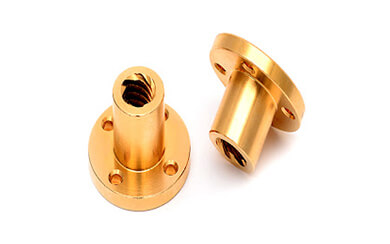
C360 is a leaded brass alloy (copper-zinc alloy with added lead) specifically engineered for superior machinability. It is widely regarded as the benchmark for machinability among all metals, often rated at 100% on comparative scales.
-
Copper
Copper
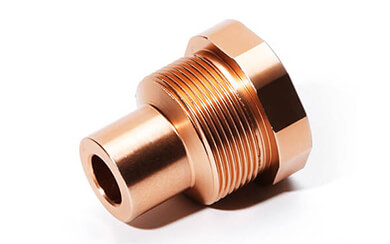
Copper C110, 99.9% pure copper alloy that is the most widely used general-purpose copper worldwide. It contains a small, controlled amount of oxygen (0.02-0.04%) which improves castability and reduces porosity, but this oxygen makes it unsuitable for high-temperature reducing atmospheres (risk of hydrogen embrittlement).
-
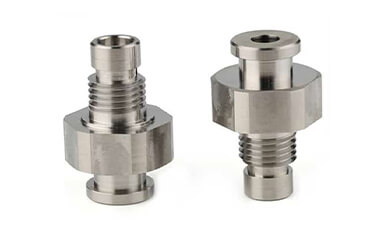
Titanium Gr5 (TC4)
Titanium Gr5 (TC4)
The most widely used and versatile titanium alloy, accounting for over 50% of all titanium usage. It is an alpha-beta alloy containing 6% aluminum and 4% vanadium, offering an excellent combination of high strength-to-weight ratio, good fatigue resistance, and moderate corrosion resistance.
-
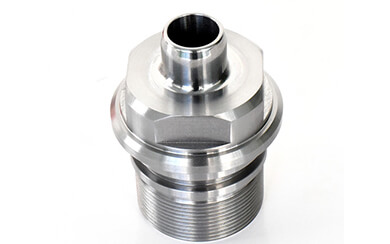
Mild steel 1018
Mild steel 1018
A general-purpose, low-carbon, non-hardenable plain carbon steel and one of the most widely available and commonly machined ferrous materials. It offers a good balance of strength, ductility, and excellent machinability, especially in its cold-drawn ("bright") condition.
-
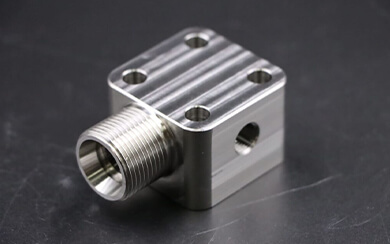
Mild steel 1045
Mild steel 1045
A versatile medium-carbon, heat-treatable plain carbon steel offering a significant increase in strength and wear resistance over 1018, while maintaining good machinability. With approximately 0.45% carbon, it can be through-hardened by quenching and tempering to achieve a wide range of strength and toughness combinations.
-
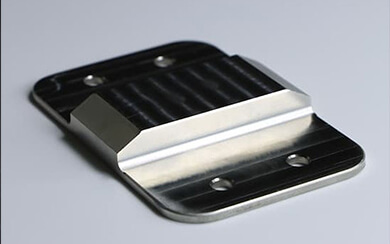
Mild steel A36
Mild steel A36
A low-carbon, general-purpose structural steel defined by the ASTM A36 standard. It is the most common steel used in construction and fabrication in the United States.
-
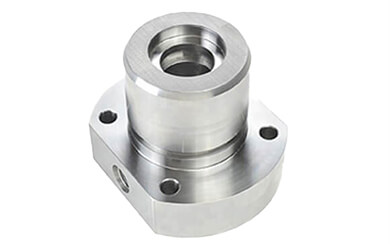
Alloy steel 4140
Alloy steel 4140
A versatile, medium-carbon, low-alloy steel containing chromium and molybdenum. It is renowned for its high strength, good toughness, and excellent fatigue resistance.
-
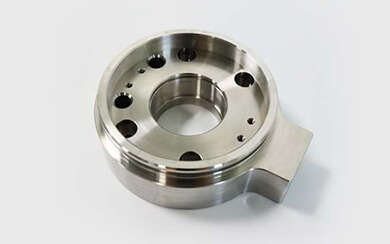
Alloy steel 4340
Alloy steel 4340
A high-strength, low-alloy steel containing nickel, chromium, and molybdenum. It is renowned for its exceptional combination of high strength, toughness, and good fatigue resistance, achievable through proper heat treatment.
-
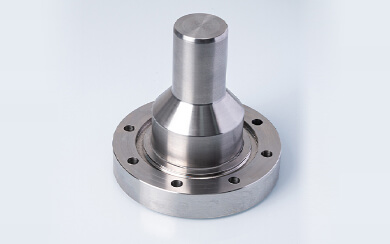
Alloy steel 1215
Alloy steel 1215
A low-carbon, rephosphorized/resulfurized free-machining steel. It is engineered specifically for high-speed, high-volume CNC machining, particularly on automatic screw machines (Swiss-type lathes) and CNC lathes/mills.
-
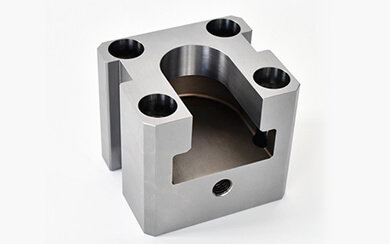
Tool steel D2
Tool steel D2
The industry benchmark for high-wear-resistance, air-hardening cold work tool steel. It contains a very high volume of large, hard chromium carbides, giving it exceptional abrasion resistance—second only to powder metallurgy (PM) steels and carbides among common toolroom materials.
-
Tool steel A2
Tool steel A2
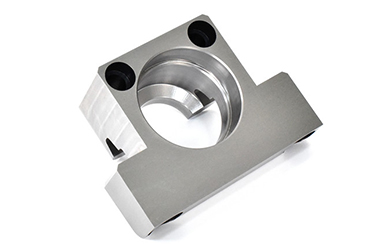
A versatile, air-hardening, medium-alloy tool steel known for its excellent balance of wear resistance, toughness, and dimensional stability during heat treatment. It contains chromium for hardenability and wear resistance, and molybdenum and vanadium for grain refinement and toughness.
-
Tool steel O1
Tool steel O1
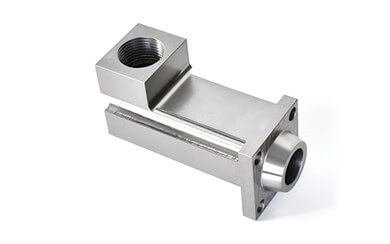
A classic, manganese-chromium-tungsten oil-hardening cold work tool steel. It is renowned for its good machinability in the annealed state, excellent dimensional stability during oil quenching (low distortion), and its ability to achieve a very hard, fine-grained microstructure.
-
Tool steel A3
Tool steel A3
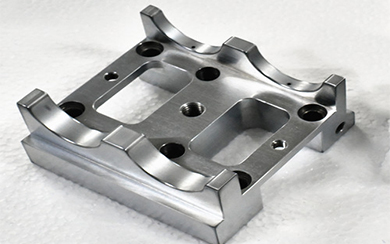
An air-hardening, high-carbon, high-chromium cold work tool steel that offers very high wear resistance, second only to the D-series (e.g., D2) among common tool steels, while maintaining a good degree of toughness.
-
Tool steel S7
Tool steel S7
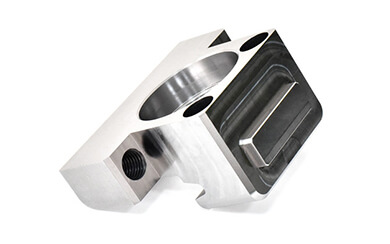
A silicon-chromium alloyed, air-hardening tool steel specifically engineered for exceptional impact toughness and shock resistance, combined with good wear resistance. It is part of the "S-grade" shock-resistant steels.
-
Tool steel H13
Tool steel H13
A versatile, chromium-based hot work tool steel renowned for its excellent combination of hot hardness, thermal fatigue resistance (resistance to heat checking), and good toughness.
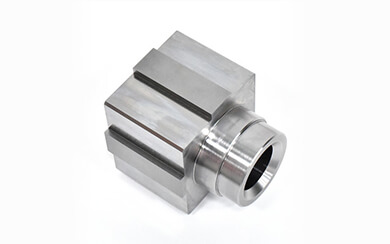
-
Spring steel
Spring steel
Spring Steel 1065, a high-carbon, non-alloy steel known for its ability to be heat treated to achieve high strength, hardness, and excellent elastic properties (springiness). In its annealed or spheroidized condition, it is supplied soft for machining and forming.
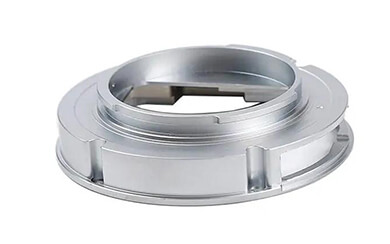
-
ABS
ABS
ABS is an amorphous thermoplastic terpolymer widely used for CNC machining due to its excellent combination of strength, rigidity, impact resistance, and ease of processing. In sheet, rod, and tube stock form, it offers isotropic properties, predictable behavior, and outstanding surface finish after machining.
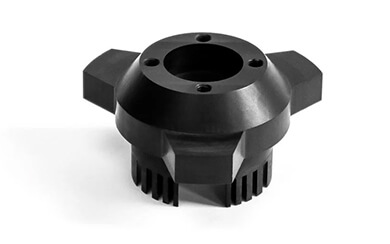
-
ABS Flame Retardant
ABS-Flame-Retardant
Flame Retardant ABS is an Acrylonitrile Butadiene Styrene thermoplastic compounded with additives (typically brominated or phosphorous-based compounds, often synergized with antimony trioxide) to inhibit or suppress combustion.
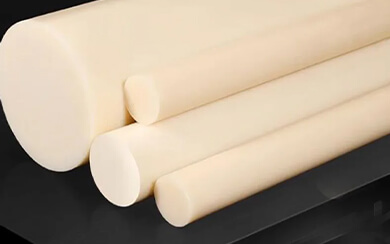
-
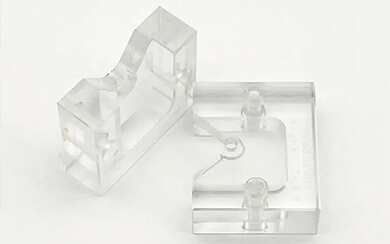
Polycarbonate (PC)
Polycarbonate (PC)
Polycarbonate is a high-performance, amorphous engineering thermoplastic renowned for its exceptional impact strength (the highest among clear plastics), high heat resistance, and excellent dimensional stability.
-
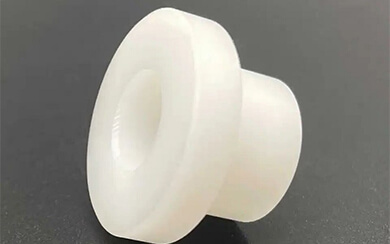
Nylon 6
Nylon 6
Nylon 6 (PA6) is a tough, semi-crystalline engineering thermoplastic widely used for CNC machining. It offers an excellent balance of mechanical strength, wear resistance, chemical resistance, and self-lubricating properties.
-
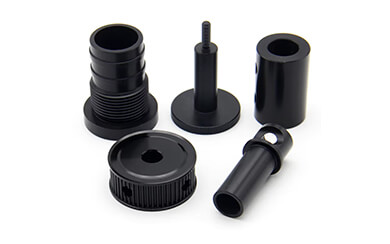
Nylon 12
Nylon 12
Nylon 12 (PA12) is a high-performance, long-chain semi-crystalline thermoplastic from the nylon family. It is distinguished from PA6 and PA66 by its significantly lower moisture absorption, superior dimensional stability, lower density, and excellent impact resistance at low temperatures.
-
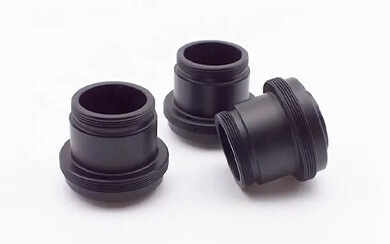
Polypropylene (PP)
Polypropylene (PP)
Polypropylene is a versatile, semi-crystalline thermoplastic known for its excellent chemical resistance, low density, good fatigue resistance, and low cost.
-
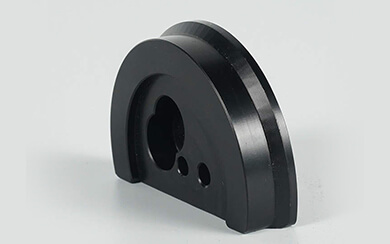
POM
POM
POM is a high-performance, semi-crystalline engineering thermoplastic prized in CNC machining for its exceptional dimensional stability, high stiffness and strength, excellent creep resistance, and natural lubricity (low friction).
-
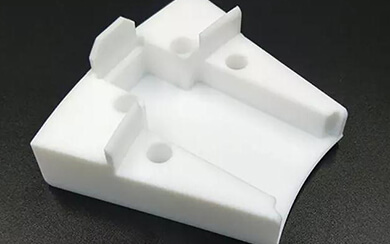
Teflon
Teflon
PTFE is a fully fluorinated, semi-crystalline, high-performance fluoropolymer. It is renowned for its extreme chemical inertness, the lowest coefficient of friction of any solid material, excellent high and low-temperature performance, and outstanding dielectric properties.
-
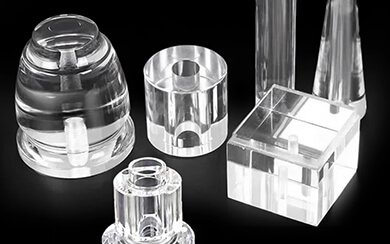
PMMA
PMMA
A transparent, amorphous thermoplastic polymer renowned for its exceptional optical clarity, good weather resistance, and rigidity. It is significantly stronger and more scratch-resistant than polycarbonate (PC) but is more brittle and has lower impact strength.
-
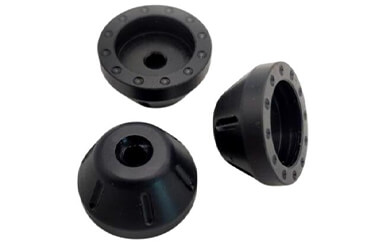
Polyethylene (PE)
Polyethylene (PE)
HDPE is a semi-crystalline thermoplastic from the polyethylene family, characterized by its high strength-to-density ratio, excellent chemical resistance, and low moisture absorption.
-
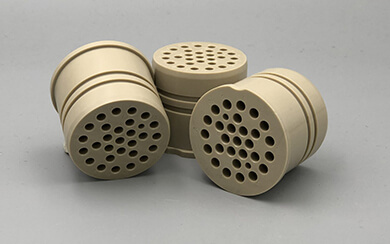
PEEK
PEEK
PEEK is a high-performance semi-crystalline thermoplastic from the polyaryletherketone (PAEK) family. It is an engineering polymer renowned for its exceptional combination of properties: high mechanical strength and stiffness maintained at elevated temperatures, outstanding chemical and wear resistance, excellent fatigue performance, and inherent flame retardancy.
-
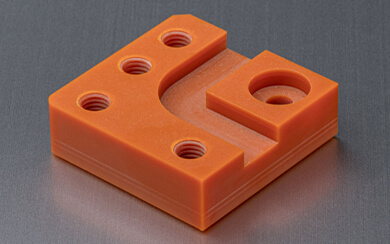
Bakelite
Bakelite
The original synthetic plastic, a thermoset polymer created by cross-linking phenol and formaldehyde under heat and pressure, often reinforced with paper, canvas (linen), or wood flour fillers.
-
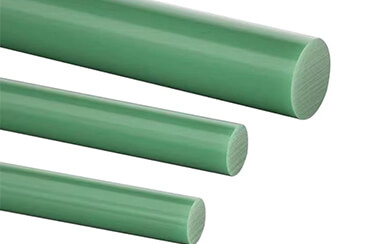
FR4
FR4
FR-4 is not a pure polymer but a composite laminate consisting of continuous woven fiberglass cloth impregnated with an epoxy resin matrix, cured under heat and pressure. It is designated as a Flame Retardant (FR) material, typically meeting UL94 V-0 standard.
-
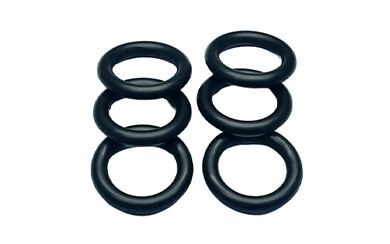
Rubber
Rubber
It covers the CNC machining of solid, non-cellular (non-foam) elastomeric materials. Unlike thermoplastics, these are often thermoset or highly cross-linked materials, characterized by high elasticity, low durometer (softness), and high damping.
-
Standard white material (UTR 8360)
Standard white material (UTR 8360)
It is engineered to provide exceptional mechanical properties, including very high stiffness, strength, and dimensional stability, approaching or exceeding those of some engineering thermoplastics.
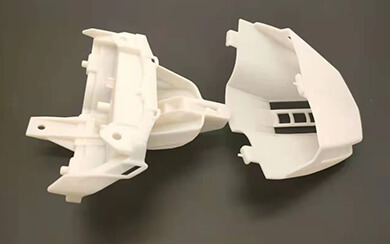
-
UTR Imagine Black
UTR Imagine Black
Its primary purpose is to produce aesthetic prototypes, high-contrast visual models, and presentation-quality parts with an opaque, deep matte or semi-gloss black finish that hides layer lines exceptionally well.
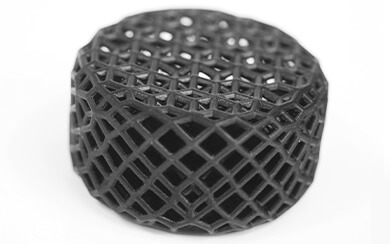
-
UTR-8100 (transparent)
UTR-8100 (transparent, Spray varnish)
It is formulated to produce parts with exceptional optical transparency, high dimensional accuracy, and good mechanical properties.
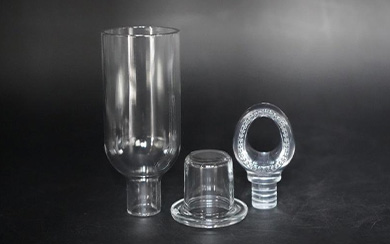
-
PWR Dark Black
PWR Dark Black
It is designed to simulate the mechanical feel and performance of ABS plastic, offering a good balance of strength, toughness, and thermal resistance at a competitive cost.
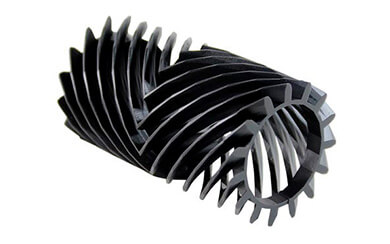
-
UTR-8100 (translucent)
UTR-8100 (translucent)
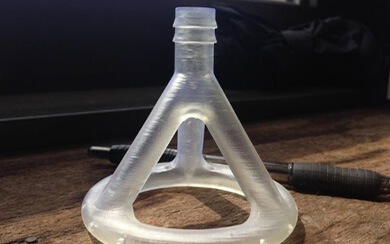
It offers a balance of good mechanical properties, dimensional accuracy, and a naturally translucent off-white/cream appearance.
-
Somos ® Ledo
Somos ® Ledo
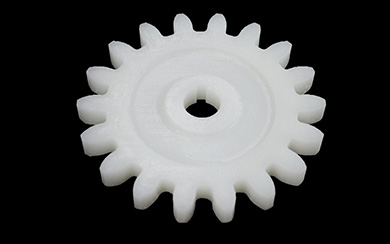
It is optimized for fast print speeds and easy support removal while producing parts with a smooth, matte surface finish.
-
UTR 8220
UTR 8220
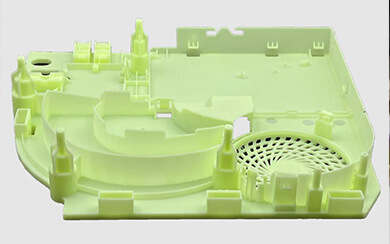
It is specifically formulated to bridge the gap between rigid prototyping resins and flexible elastomers, offering an exceptional combination of toughness, high elongation, and impact resistance while maintaining usable rigidity.
-
Somos ® Taurus
Somos ® Taurus
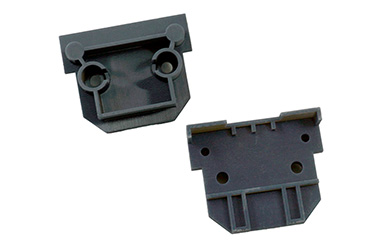
It is engineered to produce parts that maintain structural integrity and dimensional stability at elevated temperatures, making it suitable for demanding thermal environments.
-
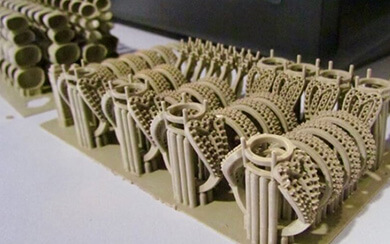
UTR 3000
UTR 3000
It is engineered to simulate the mechanical behavior of engineering thermoplastics like ABS or polycarbonate blends, offering an outstanding combination of impact resistance, toughness, and good elongation at break.
-
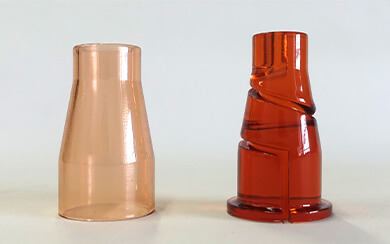
UTR Therm
UTR Therm
The UTR-Therm series (e.g., UTR-Therm 120, UTR-Therm 180) is engineered to produce parts with elevated Heat Deflection Temperatures (HDT), high rigidity, and excellent dimensional stability.
-
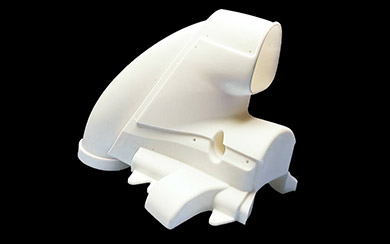
Somos ® EvoLVe 128
Somos ® EvoLVe 128
It is formulated to produce parts that mimic the clarity, toughness, and durability of engineered thermoplastics like polycarbonate (PC).
-
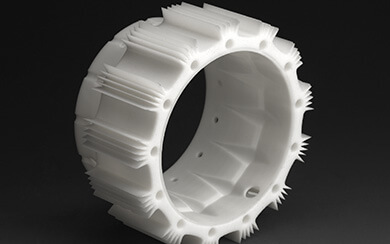
UTR Flex
UTR Flex
It is formulated to produce parts that mimic the properties of soft rubber or silicone, characterized by low durometer (Shore A scale),
-
Somos ® PerFORM
Somos ® PerFORM
It is filled with ceramic or mineral particles, which grant it exceptionally high heat deflection temperature (HDT), rigidity, and dimensional stability far exceeding standard prototyping resins.
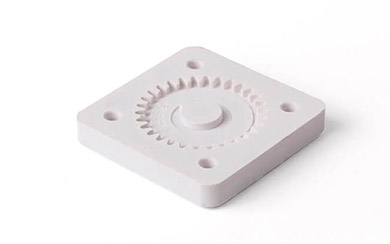
-
TDS EvoDent
TDS EvoDent
A biocompatible, CE-marked (Class IIa), and FDA-listed photopolymer resin specifically formulated for the additive manufacturing of definitive dental surgical guides, splints, and other short-term (<30 days) mucosal or bone-contact devices.
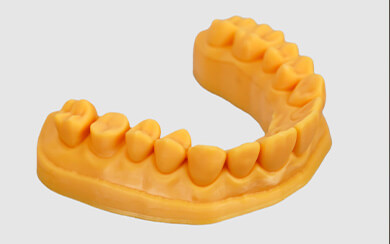
-
Formlabs ESD Resin
Formlabs ESD Resin
Its primary function is to provide permanent and consistent electrostatic discharge (ESD) protection, with a surface resistance in the range of 10^6 to 10^9 ohms.
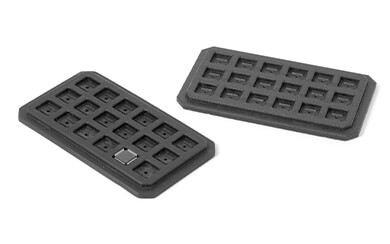
-
PA12
PA12
The industry-standard polyamide 12 (Nylon 12) powder specifically engineered for the Selective Laser Sintering (SLS) additive manufacturing process.
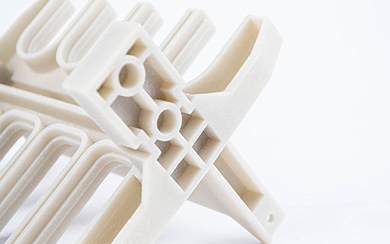
-
HP-PA-12
HP-PA-12
A fine polyamide 12 (Nylon 12) powder engineered specifically for the HP Multi Jet Fusion (MJF) additive manufacturing process. This is the flagship and most widely used material for industrial MJF printing.
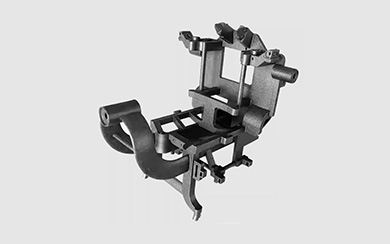
-
Glass fiber nylon(PA12+35% GF)
Glass fiber nylon(PA12+35% GF)
A high-performance composite material consisting of polyamide 12 (Nylon 12) reinforced with 35% by weight of short glass fibers.
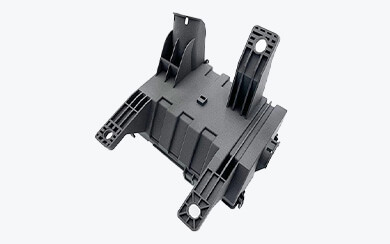
-
PLA
PLA
A proprietary, enhanced Polylactic Acid (PLA) composite filament developed by Bamboo Lab for their line of Fused Deposition Modeling (FDM) 3D printers.
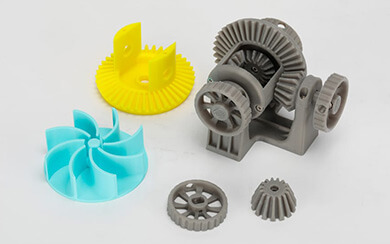
-
PLA-CF
PLA-CF
A composite filament consisting of Polylactic Acid (PLA) infused with short carbon fiber strands.
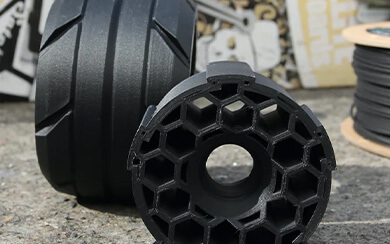
-
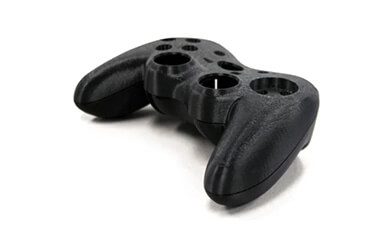
ABS
ABS
BS is a classic engineering thermoplastic known for its good toughness, impact resistance, and moderate heat resistance.
-
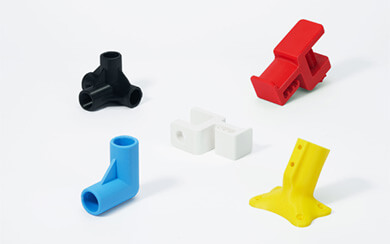
Stratasys ABS-ESD7
Stratasys ABS-ESD7
It is based on ABS (Acrylonitrile Butadiene Styrene) but is compounded with permanent carbon-based additives to provide a consistent, bulk-volume resistivity in the range of 10^6 to 10^9 ohm-cm.
-
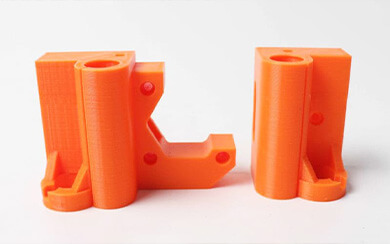
PETG
PETG
PETG is a popular "bridge" material that combines the ease of printing of PLA with improved toughness, chemical resistance, and temperature resistance of ABS, while largely eliminating ABS's warping and fume issues.
-
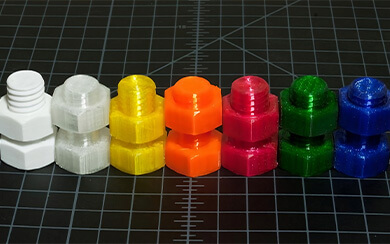
PETG-CF
PETG-CF
Engineered for Bamboo Lab's Fused Deposition Modeling (FDM) printers, this material aims to enhance the base PETG with increased stiffness (modulus), improved dimensional stability, and reduced warping, while adding the distinctive carbon fiber aesthetic.
-
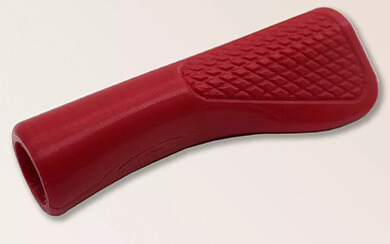
TPU(FDM)
TPU(FDM)
TPU is a class of elastic, rubber-like thermoplastics known for their high flexibility, elasticity, abrasion resistance, and toughness.
-
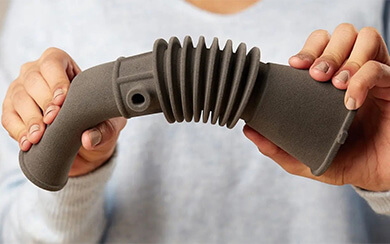
TPU
TPU
SLS TPU produces parts that are inherently flexible, elastic, and durable, simulating the properties of molded rubber or elastomers.
-
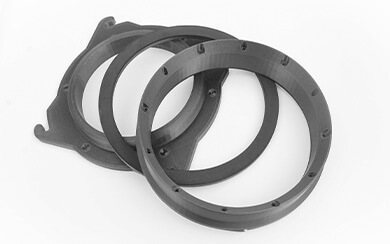
PC (Polycarbonate)
PC (Polycarbonate)
PC is renowned for its exceptional impact strength, high heat resistance, and good optical clarity (in its pure form).
-
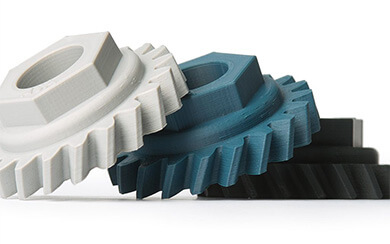
ASA
ASA
ASA is often considered the outdoor-grade successor to ABS, replacing the butadiene rubber in ABS with an acrylate elastomer.
-
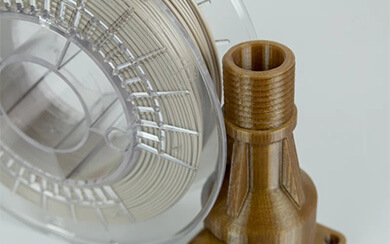
PEEK
PEEK
It represents the pinnacle of performance for polymer additive manufacturing, offering an exceptional combination of properties: extremely high continuous service temperature, outstanding chemical resistance, superb mechanical strength and stiffness retained at elevated temperatures, excellent wear and fatigue resistance, and inherent flame retardancy.
-
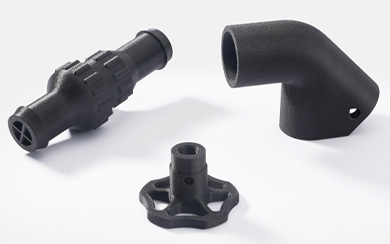
PPS-CF
PPS-CF
This material combines the inherent chemical resistance, dimensional stability, and thermal performance of PPS with the enhanced stiffness, strength, and reduced warp provided by carbon fiber (CF) reinforcement.
-
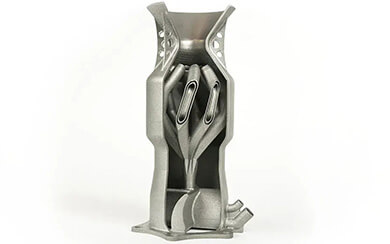
Aluminum (AlSi10Mg)
Aluminum (AlSi10Mg)
It offers an excellent combination of good strength, high hardness, good thermal properties, and low density, making it ideal for lightweight, complex geometries.
-
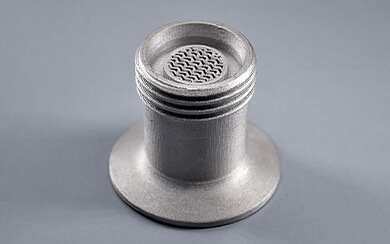
Stainless steel 316L
Stainless steel 316L
It is characterized by its exceptional corrosion resistance, good mechanical properties, excellent biocompatibility, and high ductility.
-
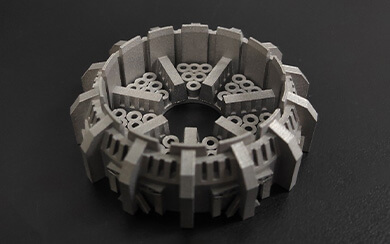
Titanium TC4
Titanium TC4
It offers an exceptional strength-to-weight ratio, outstanding corrosion resistance, excellent biocompatibility, and high fatigue strength.
-
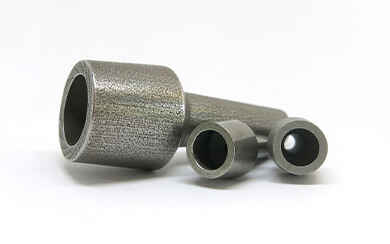
Tool steel
Tool steel
It is characterized by an exceptional combination of high hardness (attained after heat treatment), excellent toughness, good thermal fatigue resistance (resistance to heat checking), and moderate wear resistance.
-
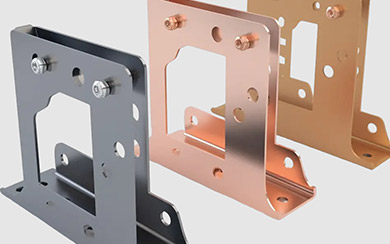
Aluminum 5052
Aluminum 5052
It is one of the most common and versatile general-purpose aluminum sheet alloys for fabrication.
-
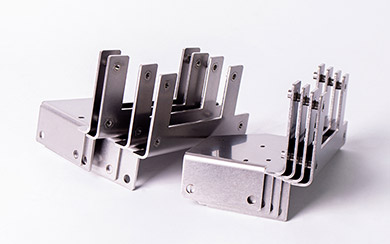
Aluminum 6061
Aluminum 6061
It is the most widely used and versatile structural aluminum alloy, offering an excellent combination of medium-to-high strength, good toughness, and very good corrosion resistance.
-
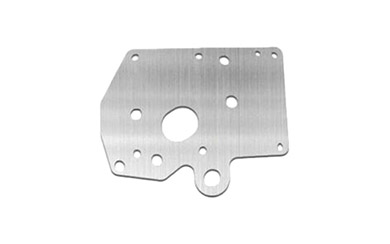
Stainless steel 304
Stainless steel 304
The most common and versatile austenitic stainless steel. It is the benchmark material for sheet metal fabrication, offering an excellent combination of corrosion resistance, formability, weldability, and ease of cleaning.
-
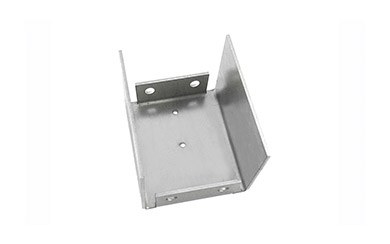
Stainless Steel 316/316L
Stainless Steel 316/316L
A molybdenum-bearing, low-carbon austenitic stainless steel and the premium standard for enhanced corrosion resistance. The addition of 2-3% Molybdenum (Mo) dramatically improves its resistance to pitting and crevice corrosion, particularly in chloride environments.
-
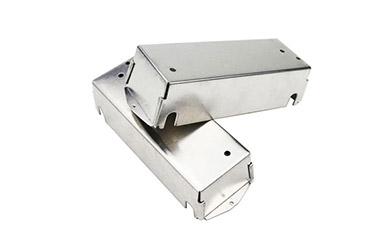
Stainless steel 201
Stainless steel 201
An austenitic, low-nickel, work-hardening stainless steel. It is a cost-effective substitute for SS 304/304L in many applications, offering good corrosion resistance, high strength, and excellent formability in its annealed state.
-
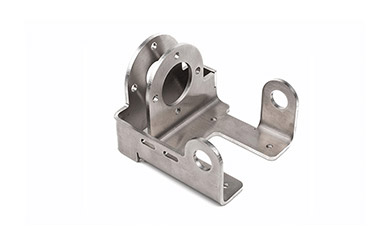
Stainless Steel 301
Stainless Steel 301
A chromium-nickel austenitic stainless steel specifically engineered for high strength achieved through cold working. It has a lower nickel and higher chromium content than SS 304, resulting in a metastable austenitic structure.
-
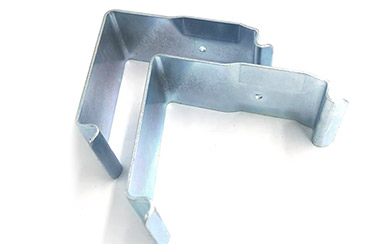
Mild steel 1018
Mild steel 1018
A general-purpose, low-carbon, non-alloy steel and the most common and economical "mild steel" used in sheet metal fabrication.
-
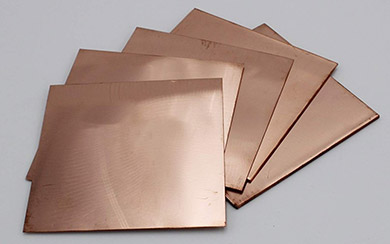
Copper C110
Copper C110
The standard, commercially pure copper (minimum 99.9% Cu) and the most widely used copper alloy in general fabrication and electrical applications.
-
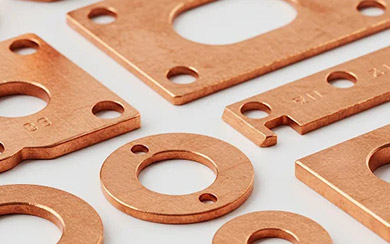
Copper 260 (Brass)
Copper 260 (Brass)
A high-leaded, alpha-beta brass (Cu-Zn-Pb alloy) and the industry standard for "free-machining" brass.
-
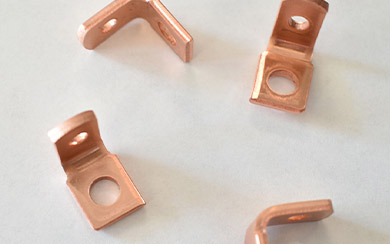
Copper 101
Copper 101
This "oxygen-free" quality gives it superior ductility, electrical and thermal conductivity, and resistance to hydrogen embrittlement (a failure mode in high-temperature, reducing atmospheres).
-
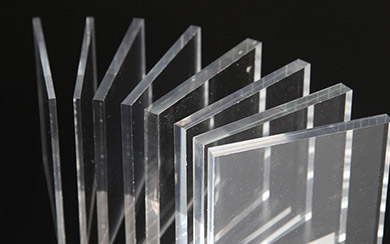
PMMA (Acrylic)
PMMA (Acrylic)
A transparent, amorphous thermoplastic polymer renowned for its exceptional optical clarity, good weather resistance, and rigidity.
-
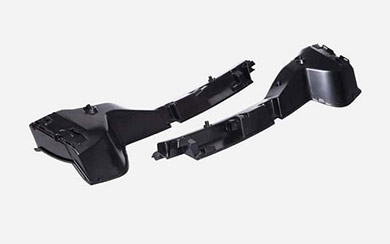
ABS
ABS
ABS is a versatile, impact-resistant, and rigid thermoplastic produced by polymerizing styrene and acrylonitrile in the presence of polybutadiene.
-
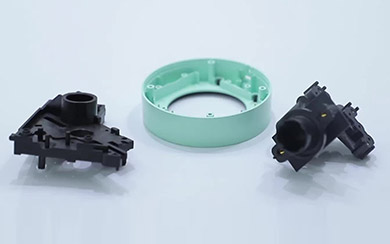
POM
POM
POM is a highly crystalline, rigid, and strong engineering thermoplastic renowned for its exceptional dimensional stability, low friction, high stiffness, and excellent fatigue endurance.
-
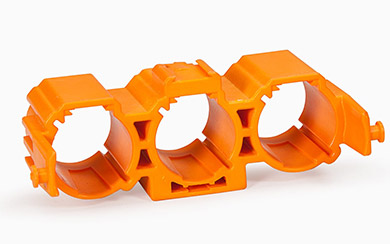
Nylon
Nylon
Known for their outstanding mechanical properties, wear resistance, and chemical resistance, nylons are versatile engineering plastics.
-
Polycarbonate (PC)
Polycarbonate (PC)
Polycarbonate is a transparent, rigid, and exceptionally tough engineering thermoplastic characterized by its outstanding impact strength, high heat resistance, and excellent dimensional stability.
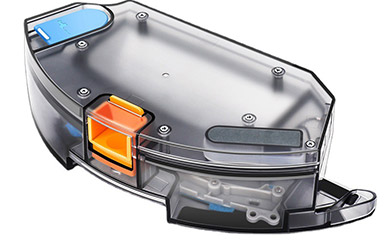
-
PC/ABS
PC/ABS
ABS/PC is an engineering polymer alloy that combines the heat resistance, impact strength, and rigidity of Polycarbonate (PC) with the processability, cost-effectiveness, and surface finish of ABS.
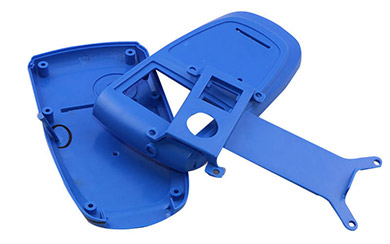
-
PVC
PVC
It is inherently flame retardant, chemically resistant, and cost-effective.
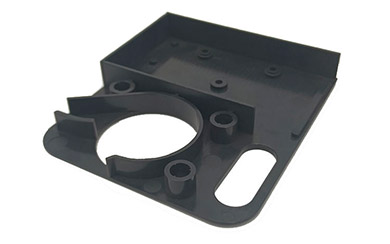
-
Polyethylene (PE)
Polyethylene (PE)
Polyethylene is the most widely produced plastic in the world, known for its excellent chemical resistance, low cost, good impact strength, and ease of processing.
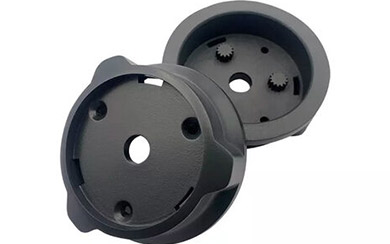
-
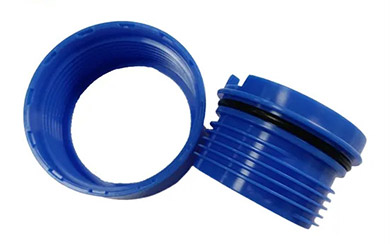
Polypropylene (PP)
Polypropylene (PP)
It is characterized by its excellent chemical resistance, low density, good fatigue resistance, and outstanding electrical insulating properties.
-
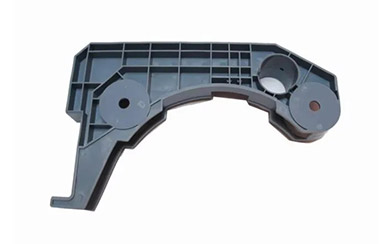
Polystyrene (PS)
Polystyrene (PS)
PS is characterized by its excellent dimensional stability, ease of processing, and good optical clarity in its unmodified form.
-
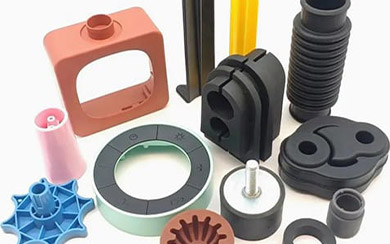
TPU
TPU
TPU is a versatile class of elastomers that combines the elastic, rubber-like properties of vulcanized rubber with the melt-processability of thermoplastics.
-
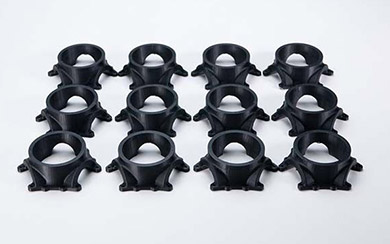
ABS
ABS
It offers an excellent, balanced combination of good mechanical strength, impact resistance, dimensional stability, and ease of processing.
-
POM
POM
A semi-crystalline, high-performance engineering thermoplastic known for its high stiffness, excellent dimensional stability, low friction/wear properties, and good chemical resistance.
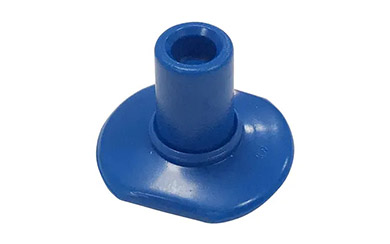
-
Nylon
Nylon
Vacuum-cast "nylon-like" parts are ideal for functional prototypes that require high durability, impact resistance, and performance under mechanical stress, especially where flexibility and toughness are more critical than extreme stiffness.
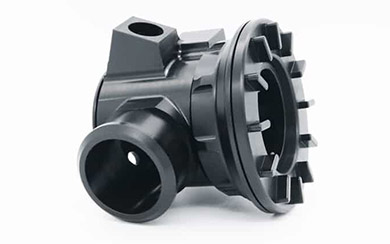
-
Polycarbonate (PC)
Polycarbonate (PC)
Vacuum-cast "PC-like" parts are essential for prototypes requiring high durability, optical clarity (when specified), and performance in demanding mechanical or thermal environments.
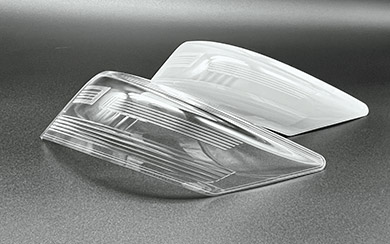
-
PVC
PVC
Vacuum-cast "PVC-like" parts are used for prototypes requiring soft-touch surfaces, seals, gaskets, tubes, and flexible components that simulate the feel and function of production vinyl or plastisol parts.
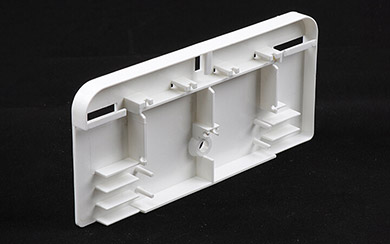
-
Polyethylene (PE)
Polyethylene (PE)
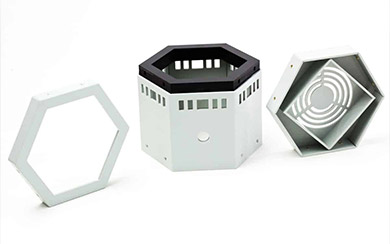
Vacuum-cast "PE-like" parts are used for prototypes of containers, fluid handling components, low-wear parts, and flexible packaging models where chemical inertness or specific tactile properties are needed.
-
Polypropylene (PP)
Polypropylene (PP)
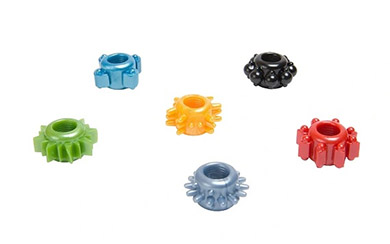
Vacuum-cast "PP-like" parts are ideal for prototypes of containers, living hinges, automotive interiors, and laboratory/medical components where a specific combination of chemical resistance, light weight, and flexibility is required.
-
Polystyrene (PS)
Polystyrene (PS)
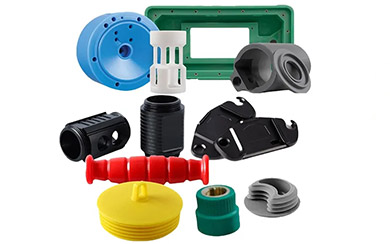
Vacuum-cast "PS-like" parts are primarily used for optical models, display prototypes, and rigid, dimensionally stable models where transparency and form accuracy are prioritized over impact resistance.
-
TPU
TPU
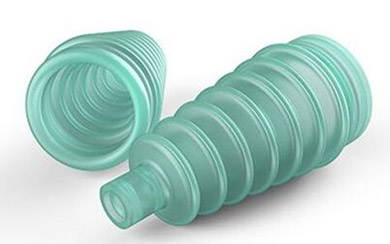
Vacuum-cast TPU is the premier material for prototyping flexible, durable, and resilient components that require a robust rubber-like performance.
-
Rubber
Rubber
These materials are poured as liquids into silicone moulds and cure to form solid parts with a wide range of softness (Shore OO to Shore A 80), high elongation, and excellent elastic recovery.
Material Color:
- Silver white
- Silver white
- Silver white
- Silver white
- Silver
- Silver
- Silver
- Silver
- Silver
- Brass
- Copper
- Silver
- Silver gray
- Silver gray
- Silver gray
- Silver gray
- Silver gray
- Silver gray
- Silver gray
- Silver gray
- Silver gray
- Silver gray
- Silver gray
- Silver gray
- Silver gray
- Light Beige
- Black
- White
- Light Beige
- Black
- Transparent to bluish-purple (increasing thickness)
- White
- Black
- Ivory
- Black
- Black
- White
- White
- Black
- White
- Black
- White
- Black
- Transparent
- Black
- White
- Pale brown
- Black
- Chrome yellow
- Green
- Yellow
- Black
- Black
- Matte white
- Black(paint)
- Transparent(Spray varnish)
- Matte diffuse
- Black (waxed)
- Translucent
- White
- Tender green
- Black(paint)
- Brown
- Red translucent
- White
- White
- Black
- Nano-Ceramic White
- Waxy yellow
- Black
- White
- Dark black (dyeing)
- Dark black (spray paint)
- Light gray
- Dark black (dyeing)
- White
- Black
- Grey
- Yellow
- Red
- Green
- Blue
- Orange
- Pink
- Multi-colors
- Marble
- Silk gold
- Silk silver
- Silk copper
- Arctic Whisper (blue-white gradient)
- Solar Breeze (red-white gradient)
- Ocean to Meadow (blue-green gradient)
- Black
- Royal blue
- Burgundy red
- Matcha green
- Lava gray
- Jeans blue
- Iris purple
- White
- Black
- Silver gray
- Red
- Blue
- Yellow
- Green
- Black
- White
- Black
- Grey
- Red
- Blue
- Yellow
- Green
- Black
- Violet Purple
- Titan Gray
- Brick Red
- Malachite Green
- Indigo blue
- White
- Black
- Red
- Yellow
- Blue
- Gray
- Green
- White
- Black
- white
- Black
- translucent
- Black translucent
- White
- Black
- Grey
- Red
- Blue
- Green
- Pale brown
- Black
- Metallic
- Metallic
- Metallic
- Metallic
- Silver white
- Silver white
- Silver
- Silver
- Silver
- Silver
- Silver gray
- Copper
- Brass
- Copper
- Transparent
- Black
- White
- Transparent
- Gray
- Red
- Blue
- Green
- Yellow
- Black
- White
- Gray
- Red
- Blue
- Green
- Yellow
- Black
- White
- Gray
- Red
- Blue
- Green
- Yellow
- Black
- White
- Transparent
- Gray
- Red
- Blue
- Green
- Yellow
- Black
- White
- Gray
- Red
- Blue
- Green
- Yellow
- Black
- White
- Gray
- Red
- Blue
- Green
- Yellow
- Black
- White
- Gray
- Red
- Blue
- Green
- Yellow
- Black
- White
- Transparent
- Gray
- Red
- Blue
- Green
- Yellow
- Black
- White
- Gray
- Red
- Blue
- Green
- Yellow
- Black
- White
- Gray
- Red
- Blue
- Green
- Yellow
- Black
- White
- Gray
- Red
- Blue
- Green
- Yellow
- Black
- White
- Gray
- Red
- Blue
- Green
- Yellow
- Black
- White
- Gray
- Red
- Blue
- Green
- Yellow
- Black
- White
- Transparent
- Gray
- Red
- Blue
- Green
- Yellow
- Black
- White
- Gray
- Red
- Blue
- Green
- Yellow
- Black
- White
- Gray
- Red
- Blue
- Green
- Yellow
- Black
- White
- Gray
- Red
- Blue
- Green
- Yellow
- Black
- White
- Gray
- Red
- Blue
- Green
- Yellow
- Black
- White
- Gray
- Red
- Blue
- Green
- Yellow
- Black
- White
- Gray
- Red
- Blue
- Green
- Yellow
Process:
- SLA
- SLA
- SLA
- SLA
- SLA
- SLA
- SLA
- SLA
- SLA
- SLA
- SLA
- DLP
- SLA
- DLP
- SLA
- SLS
- MJF
- SLS
- FDM
- FDM
- FDM
- FDM
- FDM
- FDM
- FDM
- SLS
- FDM
- FDM
- FDM
- FDM
- SLM
- SLM
- SLM
- SLM
Support surface
Hardness:
Thickness:
Subject to 3D file
Standard thickness
-
* Unit: mm
Required field
Infill:
Filler:
Required field
Material Additives:
Required field
SPI Finish:
- SPI B-3
- SPI A-1
- SPI A-2
- SPI A-3
- SPI B-1
- SPI B-2
- SPI C-1
- SPI C-2
- SPI C-3
- SPI D-1
- SPI D-2
- SPI D-3
Tool Requirements:
Order a new mold
Use existing mold
Keep the molds in the factory
Note:
Invoice accompanying the first batch of finished products will
include all costs (including mold cost) which will be spread over the products cost.
I need the molds to be shipped
Note: Higher mold cost


Surface finish - 0 options
Discrepancy warning
Discrepancy warning
Due to the particularity and scarcity of the surface finish process, different batches of orders cannot be guaranteed to have the same finish. For example: Aluminum anodized color, there will be color difference more or less with each time, even though you choose the same option of color.
If you need the totally same surface finish of batch products and samples, it is recommended to keep 1-2 samples at 3PCB, and then we can mass-produce the specified products according to the samples.
Add a surface treatment
you can also add 0 surface treatments
you can also add 0 surface treatments
Technical drawing:
Please note that your 3D file and part specifications selected on this screen (eg. surface finish) will take priority over your technical drawing. Please ensure your technical drawing is up-to-date.
Upload a technical drawing
ONLY Ai and svg formats are acceptable for silkscreen and laser engraving, and meanwhile mark the dimension and placement on the 2D technical drawings.
Threads and
Tapped Holes:
Tapped Holes:
Do your parts need to tap threads?
Please specify if your part has any internal or external threads. 3PCB will not bear any assembly risk if it is a non-standard thread, unless all assembly parts are produced and assembled here.
No
Yes
Inserts:
Please specify the standard inserts in your part.
No
Yes
Fillets:
CNC machining process, the recessed corners of the part are made in round corners(fillets) with minimum fillet radius by default.
e.g.
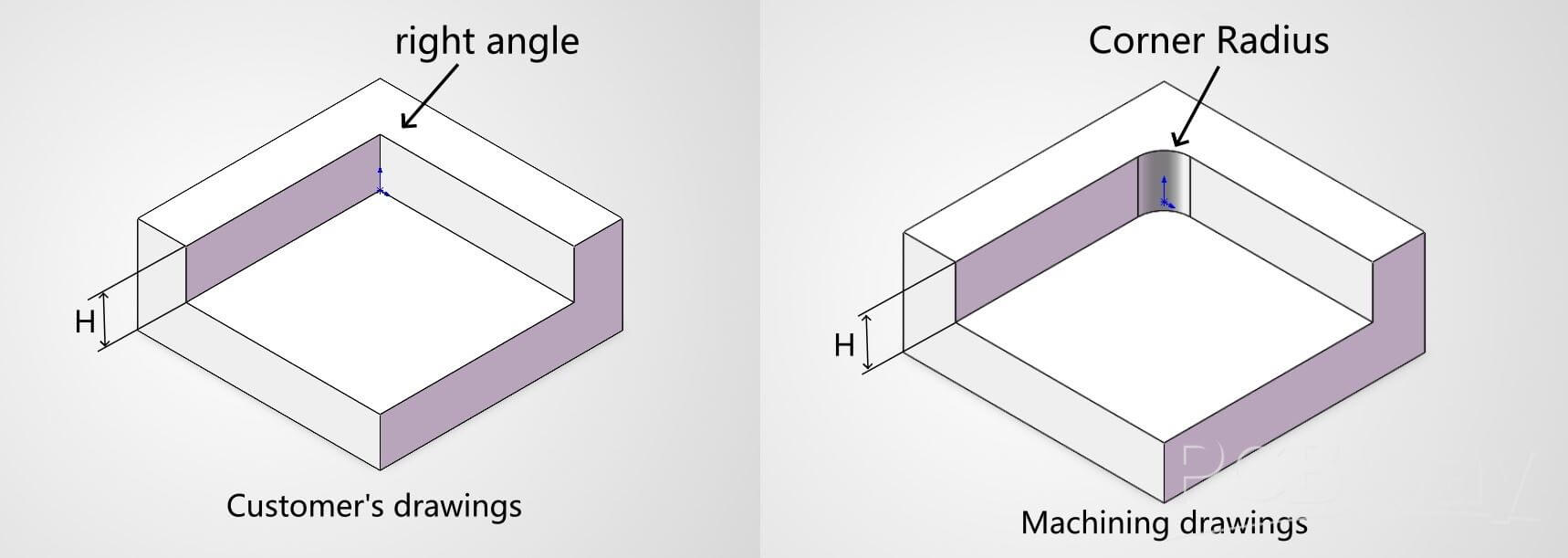
| Material |
Internal cavity clean-out depth (mm)
(From the highest Z-axis surface of the part to the bottom surface of the internal cavity)
|
Default Corner Radius | Tolerance |
|---|---|---|---|
|
Non-Metals & Aluminum Alloys
|
0~4 | R0.5 | All radii equal to or smaller than this value |
| 5~8 | R0.75 | All radii equal to or smaller than this value | |
| 9~15 | R1.0 | All radii equal to or smaller than this value | |
| 16~20 | R1.5 | All radii equal to or smaller than this value | |
| 21~30 | R2.0 | All radii equal to or smaller than this value | |
| 31~40 | R3.0 | All radii equal to or smaller than this value | |
| 41~50 | R4.0 | All radii equal to or smaller than this value | |
| 51~60 | R5.0 | All radii equal to or smaller than this value | |
| 61~80 | R6.0 | All radii equal to or smaller than this value |
| Material |
Internal cavity clean-out depth (mm)
(From the highest Z-axis surface of the part to the bottom surface of the internal cavity)
|
Default Corner Radius | Tolerance |
|---|---|---|---|
|
Metals
|
0~8 | R0.75 | All radii equal to or smaller than this value |
| 9~11 | R1.0 | All radii equal to or smaller than this value | |
| 12~20 | R1.5 | All radii equal to or smaller than this value | |
| 21~30 | R2.0 | All radii equal to or smaller than this value | |
| 31~35 | R3.0 | All radii equal to or smaller than this value | |
| 36~40 | R4.0 | All radii equal to or smaller than this value | |
| 41~60 | R5.0 | All radii equal to or smaller than this value | |
| 61~80 | R6.0 | All radii equal to or smaller than this value |
No
Yes
Tolerance:
Tolerances will be controlled with ISO 2768-1. For other tighter tolerances, technical drawing will be required to indicate critical dimensions.
No tighter tolerances required (ISO 2768-1)
Tighter tolerances required
Select
Surface Roughness:
Surface roughness will be controlled into 250uin/6.3um Ra unless you have other surface roughness required.
Welding:
No
Yes
Part Marking:
Parts assembly:
Please specify the assembly requirements. 3PCB does not bear any assembly risk if you choose No assembly requirement.
No
Assembly test
Ship in assembly
Finished appearance:
Standard
Normal processing traces or scratches caused during production, or subtle traces left after surface finish.
Premium (Extra charges)
Higher appearance requirements, the surface is clean and smooth without obvious flaws. (Except for the inherent anodizing rack marks). Photos will be sent to confirm before shipment.
Inspection:
The inspection report will not be sent out with your parts unless you need it.
Standard Inspection (No report)
- No extra fee
- 3PCB will do the dimension and surface feature inspections based on the drawings provided by the customer.
Standard Inspection with Formal Report
- Pay extra
- 2D technical drawings are required.
CMM Inspection with Formal Report
- Pay extra
- 2D technical drawings are required.
Source Material Certification
- Pay extra
- 2D technical drawings are required.
Printing risk:
The parameter is checked by default. You can uncheck it and we will
email you with issues when the part has a specific printing risk.
Customer knows about the thin walls designed do not meet the wall thickness
standard, but needs to print as-is and take all risks.
Customer knows about the threads designed do not meet the thread printing
standard, but needs to print as-is and take all risks.
Product Desc:
Select
*Enter a clear description (Product name, specific purpose of the product, if you know the HS code of the product, you can also tell us for customs clearance purposes.)
Other special request:
+ Add PO No.
0/200